
Marine Safety Training
In November 2021, ESSB became a Transport Canada recognized training institution!
We currently offer three Transport Canada certified training programs:
Small Domestic Vessel – Basic Safety (SDV-BS)
Small Vessel Operator Proficiency (SVOP)
Domestic Vessel Safety (DVS)
Our goal is to ensure that employees working on the water throughout our territory can access essential marine safety training in English. By offering these programs, ESSB helps employers create safer, more compliant workplaces on the water.
We also recommend that employers contact Transport Canada to confirm which training programs are required based on their vessels’ weight and length.
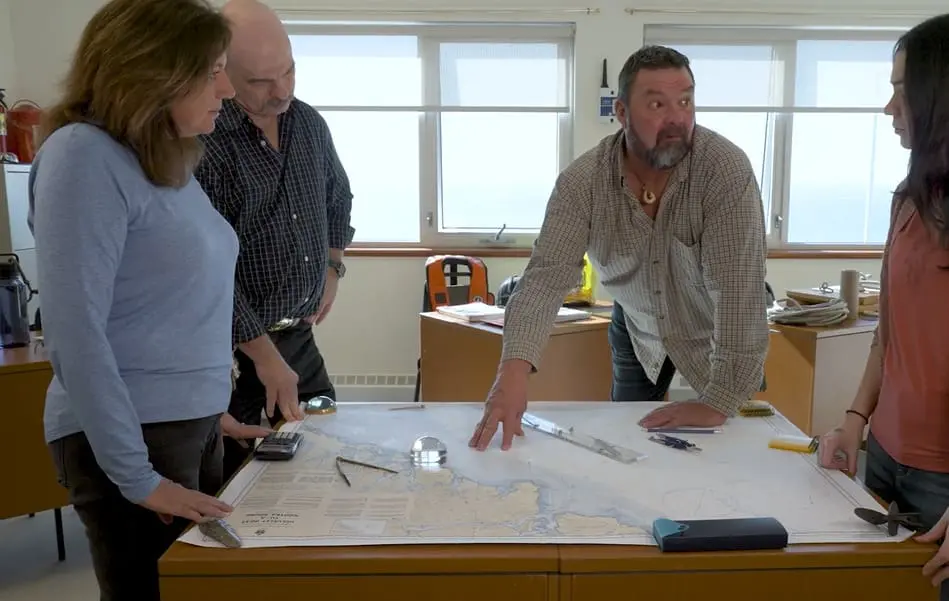
We invite you to tell us about your organization’s training needs. Please complete this short form, and a member of our team will contact you shortly.
List of trainings:
The SDV-BS, formerly known as MED A3, training program provides basic safety training for crew members of non-pleasure vessels of not more than 150 gross tonnage operating not more than 25 nautical miles from shore.
The SDV-BS is the minimum safety training requirement needed for anyone working on a small commercial vessel.
The minimum duration of the course is 8 hours. This includes theory, practical exercises, and an exam.
Course content includes: hazards and emergencies, emergency response, lifesaving appliances, survival, and more.
As per Transport Canada, the goal of the course is to provide participants with:
a) a basic understanding of the hazards associated with the marine environment and their own vessel, and of how to prevent shipboard incidents including fire;
b) the knowledge necessary to raise and react to alarms and deal with emergencies;
c) an ability to provide assistance in fire and abandonment situations;
d) the knowledge and skills which will enable them to assist in their own survival and rescue.
The SVOP training program provides the minimum training for owners and operators of small non-pleasure vessels. The SVOP certification covers owners and operators of the following:
- Workboats and passenger vessels up to 5 gross tonnage (up to 8.5 meters in length);
- Fishing vessels up to 15 gross tonnage (up to 12 meters in length), engaged on a Sheltered Waters or Near Coastal class 2 voyages (up to 25 Nautical Miles from shore).
- The minimum duration of the course is 26 hours. This includes theory and an exam. 100% attendance is required to meet Transport Canada’s requirements.
- Course content includes: vessel types, propulsion systems, collision prevention, use of a radar, marine forecasts, and more.
As per Transport Canada, the goal of the course is to provide participants with:
a) a basic understanding of the hazards associated with the marine environment and their own vessel and the prevention of shipboard incidents;
b) the knowledge and skills necessary to safely operate a small non-pleasure vessel in near coastal and sheltered waters under normal operating conditions, including darkness and restricted visibility;
c) additional knowledge on aids to navigation and seamanship to supplement individual experience.
DVS, which replaces MED A1 and MED A2, complies with the requirements of the Marine Personnel Regulations on minimum training in personal survival techniques and fire fighting for Canadian seafarers sailing on board passenger vessels, workboats or fishing vessels engaged on a voyage in domestic waters.
As per Transport Canada, the goal of the course is to:
a) provide seafarers with basic understanding of the hazards related to the marine environment and their own vessel, and of how to prevent shipboard incidents including fire;
b) provide seafarers with the knowledge they need to raise and react to alarms and deal with emergencies;
c) ensure seafarers are able to provide assistance in fire and abandonment situations;
d) provide seafarers with the knowledge and skills to help in their own survival and rescue;
e) teach seafarers the proper procedures for maintaining emergency equipment according to manufacturer guidelines;
f) provide seafarers with the knowledge to maintain the appropriate record-keeping procedures for safety equipment;
g) ensure that crew members of passenger vessels have the knowledge and skills necessary to keep passengers safe and help them survive an emergency;
h) enable crew members of passenger vessels to plan, organize and carry out safety drills so the passengers will be aware of safety equipment and procedures.
The minimum duration of this course is 16 hours. This includes theory, practical exercises, and an exam.
Service to Business
We invite you to tell us about your organization’s training needs. Please complete this short form, and a member of our team will contact you shortly.